
AI's Next Phase: Why Companies Need New Organizational Structures
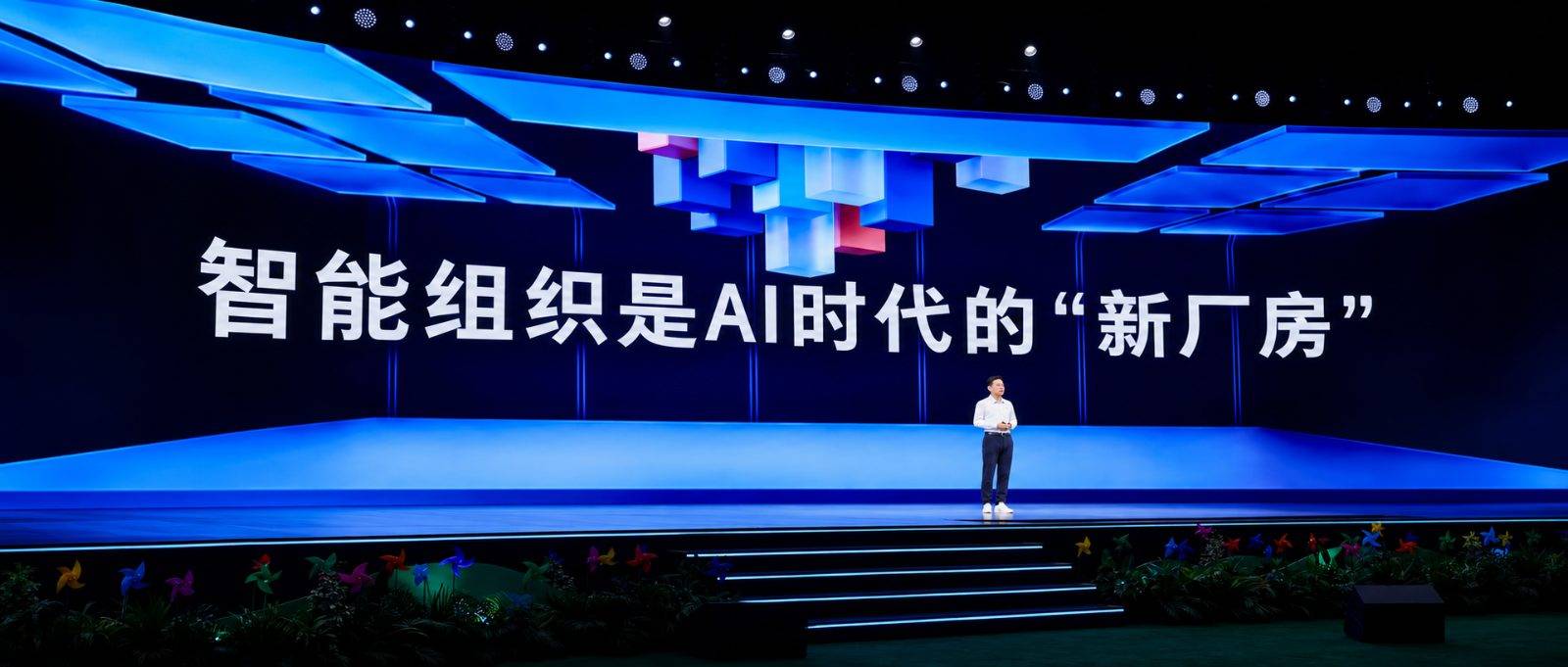
Despite heavy corporate spending on AI, many companies struggle to see real productivity gains because they are merely using new technology within old organizational structures. According to Baidu CEO Robin Li, the next phase of AI is the intelligent organization.
Original image temporarily unavailable
The Productivity Paradox
While global enterprises are projected to spend over 250,000 million dollars on AI in 2025, only a small fraction report true business transformation. Robin Li compares this to the early days of electrification, noting that companies have installed new electric motors but have yet to redesign their factories.
Moving to Intelligent Organizations
Traditional corporate structures rely on human-centric hierarchies that act as information bottlenecks. To truly unleash AI capabilities, companies need to shift toward task-centered networks where humans collaborate with AI agent teams.
Practice and Implementation
Baidu reports internal successes by breaking down departmental boundaries, allowing employees to leverage AI to handle end-to-end tasks. Furthermore, platforms like Baidu's enterprise solutions aim to help companies capture tacit knowledge, build reusable skills, and utilize flexible model trading systems like 'Ciyuansuo' to power their evolving workflows.
View selection rationale
Importance 88/100
About this brief
- Content type
- News summary
- Source type
- Publisher report
- Original source
- iFanr 爱范儿 ↗
- Source published
- Process
- AI-assisted discovery, translation, summarisation, classification and scoring; standards and corrections are maintained by the editorial desk.
- Verification
- The original URL and publication metadata are retained. This brief is not independently fact-checked unless explicitly stated.
- Published by
- Polyemergence Editorial Desk · PolyEmergence Pte Ltd.
- Conflict disclosure
- No financial or commercial conflict declared.