

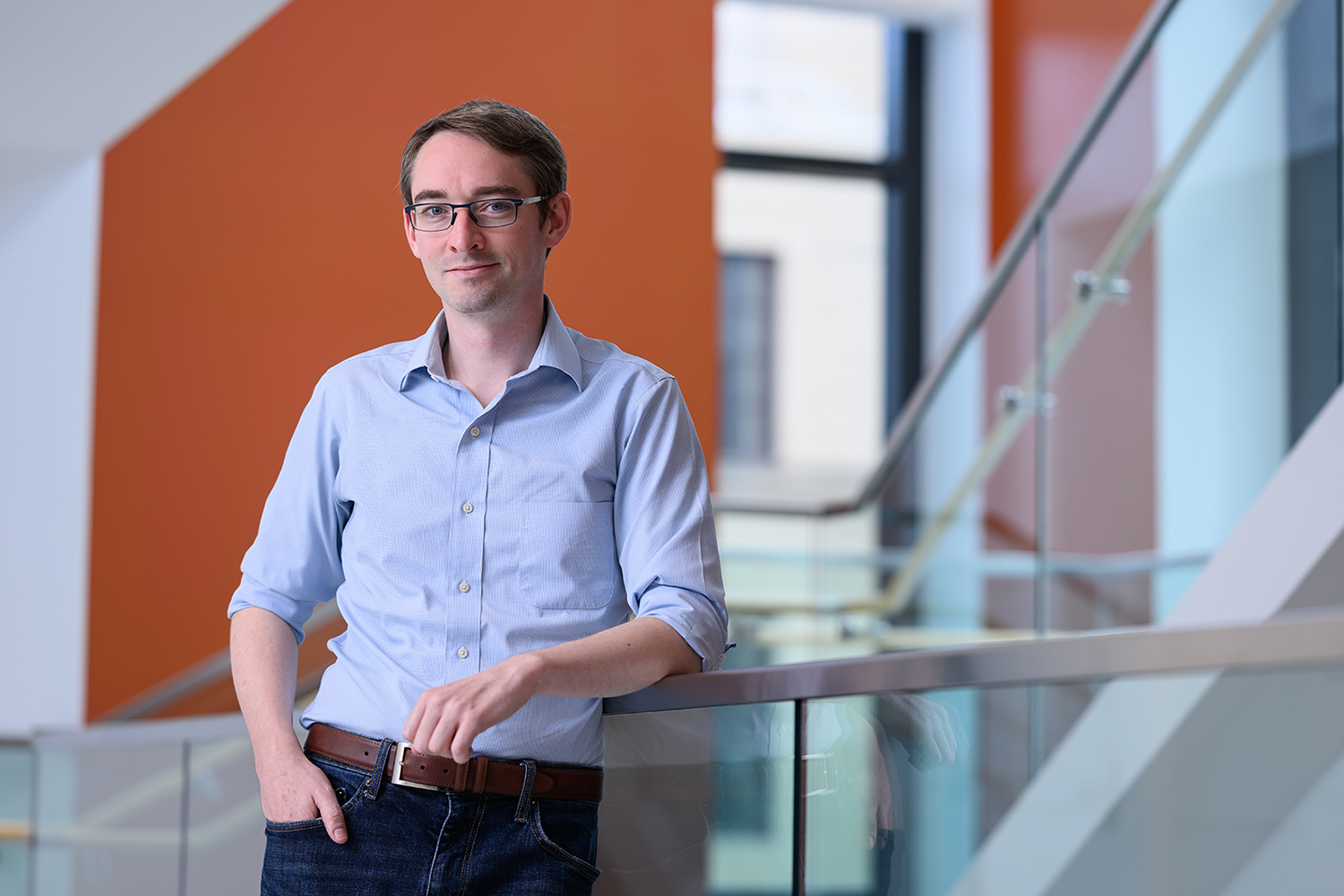
According to MIT Energy: MIT professor Jake Hecla is researching technologies to enable nuclear energy in space, focusing on solving heat dissipation challenges through liquid droplet radiators. His team is also developing methods for radiation detection and monitoring aerospace nuclear systems to support future arms control and security agreements.
Expand summary
According to MIT Energy:
Thermal management in space
As deep space missions demand higher power, nuclear reactors produce significant heat. Without an atmosphere for convection, traditional solid metal radiators are too heavy. According to MIT, Hecla is investigating the liquid droplet radiator (LDR), which uses sheets of tiny droplets to radiate heat away, potentially reducing cooling system mass by an order of magnitude.
Radiation detection and Chernobyl
Hecla’s passion for radiation detection began in childhood and led him to research X-ray units and treaty verification methods at MIT. His experiences visiting Chernobyl shaped his commitment to nuclear safety and radioactive contamination management, eventually influencing his graduate research on radiation imaging and antineutrino detection.
Safeguards and space security
Hecla’s research extends to monitoring aerospace nuclear applications, such as tracking air-breathing nuclear propulsion and detecting fissile material from satellites. By developing compact neutron telescopes and tracking operational signatures, his work aims to create a technical foundation for future arms-control agreements.
View selection rationale
Importance 68/100
Editorial assessments, not independent verification. Editorial standards →