
Draining peatlands leaves a long legacy of warming
According to MIT Climate: MIT researchers report that draining global peatlands for development has contributed about 2.7 percent of present-day human-caused warming. The study highlights that once dried, peatlands continue emitting carbon dioxide for centuries, underscoring the urgent need to stop drainage and restore water tables.
Original image temporarily unavailable
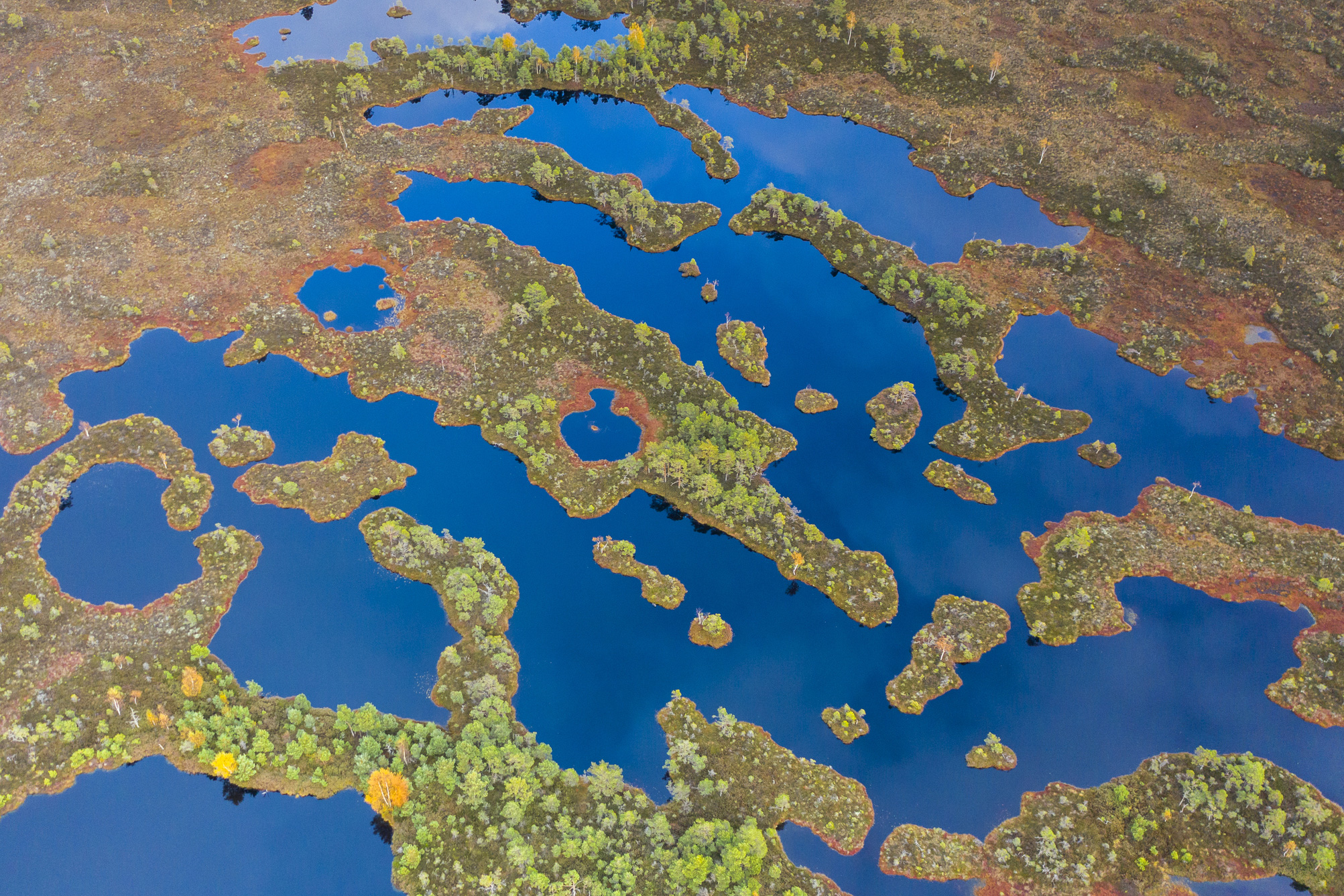
According to MIT Climate: Peatlands act as natural carbon sinks, storing huge amounts of partially decayed plant matter underwater where low oxygen prevents rapid decomposition. However, human activities such as agriculture and forestry have drained roughly 15 percent of all peatland area since 1800, exposing the organic matter to oxygen and releasing significant amounts of carbon dioxide. While drainage suppresses microbial methane emissions, the net effect is a strong warming influence. According to a study published in *Nature* by MIT researchers and their collaborators, this historical and ongoing drainage accounts for about 2.7 percent of current human-caused global warming. The team combined worldwide drainage tracking data with new emission models to calculate these impacts. They warn that maintaining currently drained peatlands could almost double the cumulative warming caused by peatlands by 2100. Researchers emphasize that unlike deforestation where biomass emissions eventually stop, drained peatlands keep oxidizing and releasing carbon dioxide for centuries unless conservationists actively raise the water table back to its natural state.
View selection rationale
Importance 77/100
About this brief
- Content type
- Research summary
- Source type
- First-party / official source
- Original source
- MIT Climate ↗
- Source published
- Process
- AI-assisted discovery, translation, summarisation, classification and scoring; standards and corrections are maintained by the editorial desk.
- Verification
- The original URL and publication metadata are retained. This brief is not independently fact-checked unless explicitly stated.
- Published by
- Polyemergence Editorial Desk
- Conflict disclosure
- No financial or commercial conflict declared.