
FCC should focus on robot security, not country of origin
Brain Corp CEO David Pinn argues that the FCC's restrictions on foreign-produced robots target the wrong metric. He states that software control and secure updates matter far more than where a robot is manufactured, urging regulators to focus on code provenance, data handling, and independent safety layers.

Original image temporarily unavailable
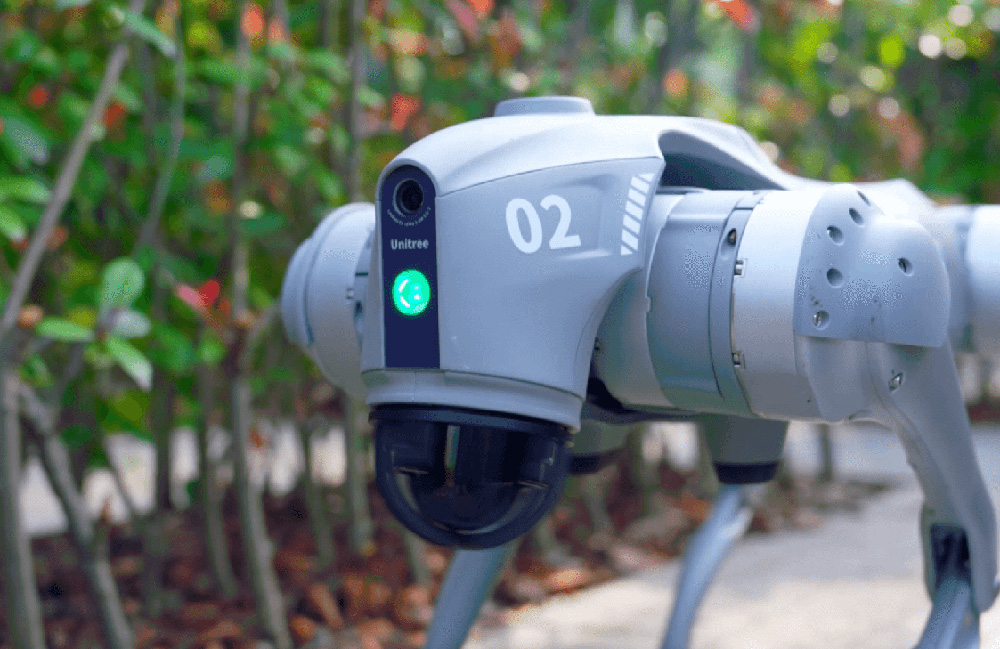
According to David Pinn, CEO of autonomy software provider Brain Corp, the FCC is right to view connected robots as a security risk because they carry sensors, process data, and take remote updates. However, he states that where a machine was assembled tells little about who actually controls it. A domestically produced robot with open remote access poses a greater risk than an overseas-built machine with secure software.
Pinn notes that the FCC's definition of a covered device already targets software layers like firmware and AI model weights. He argues that the next regulatory step should enforce strict provenance of control. This includes verified and signed updates, clear data destinations, restricted remote access, and independent audits. Furthermore, he emphasizes that as AI makes robots more capable, physical safety cannot rely purely on probabilistic AI models, necessitating deterministic constraints beneath the intelligence layer to prevent unsafe behavior.
View selection rationale
Importance 56/100
About this brief
- Content type
- News summary
- Source type
- Publisher report
- Original source
- The Robot Report ↗
- Source published
- Process
- AI-assisted discovery, translation, summarisation, classification and scoring; standards and corrections are maintained by the editorial desk.
- Verification
- The original URL and publication metadata are retained. This brief is not independently fact-checked unless explicitly stated.
- Published by
- Polyemergence Editorial Desk
- Conflict disclosure
- No financial or commercial conflict declared.