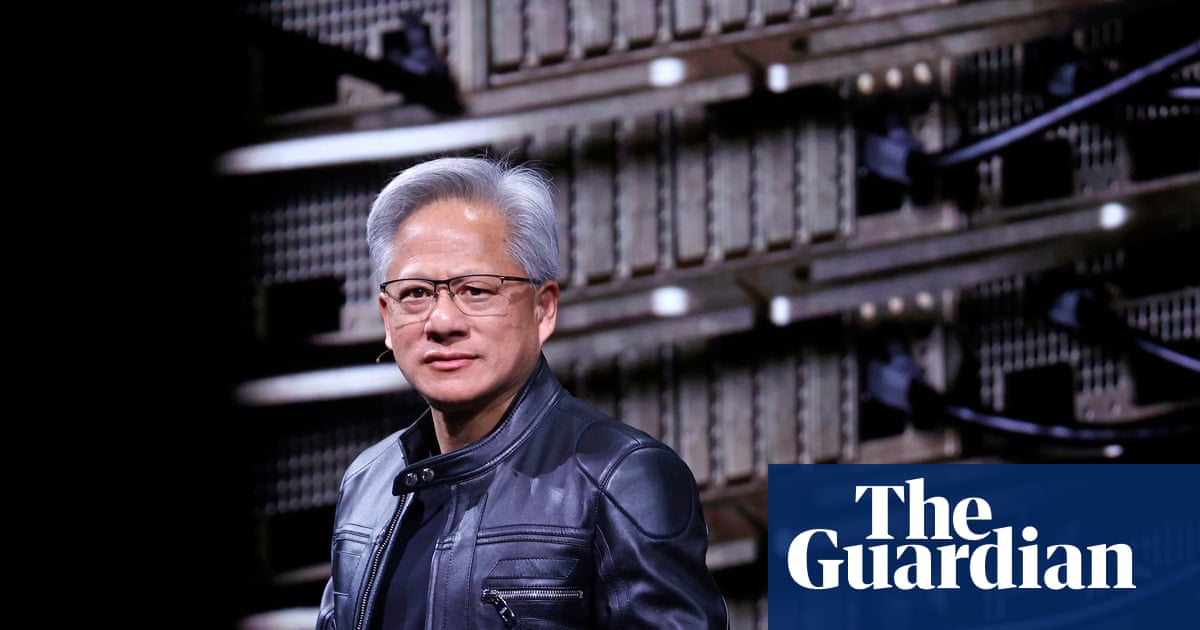
Behind the Nvidia case, a vast network diverting AI chips to China
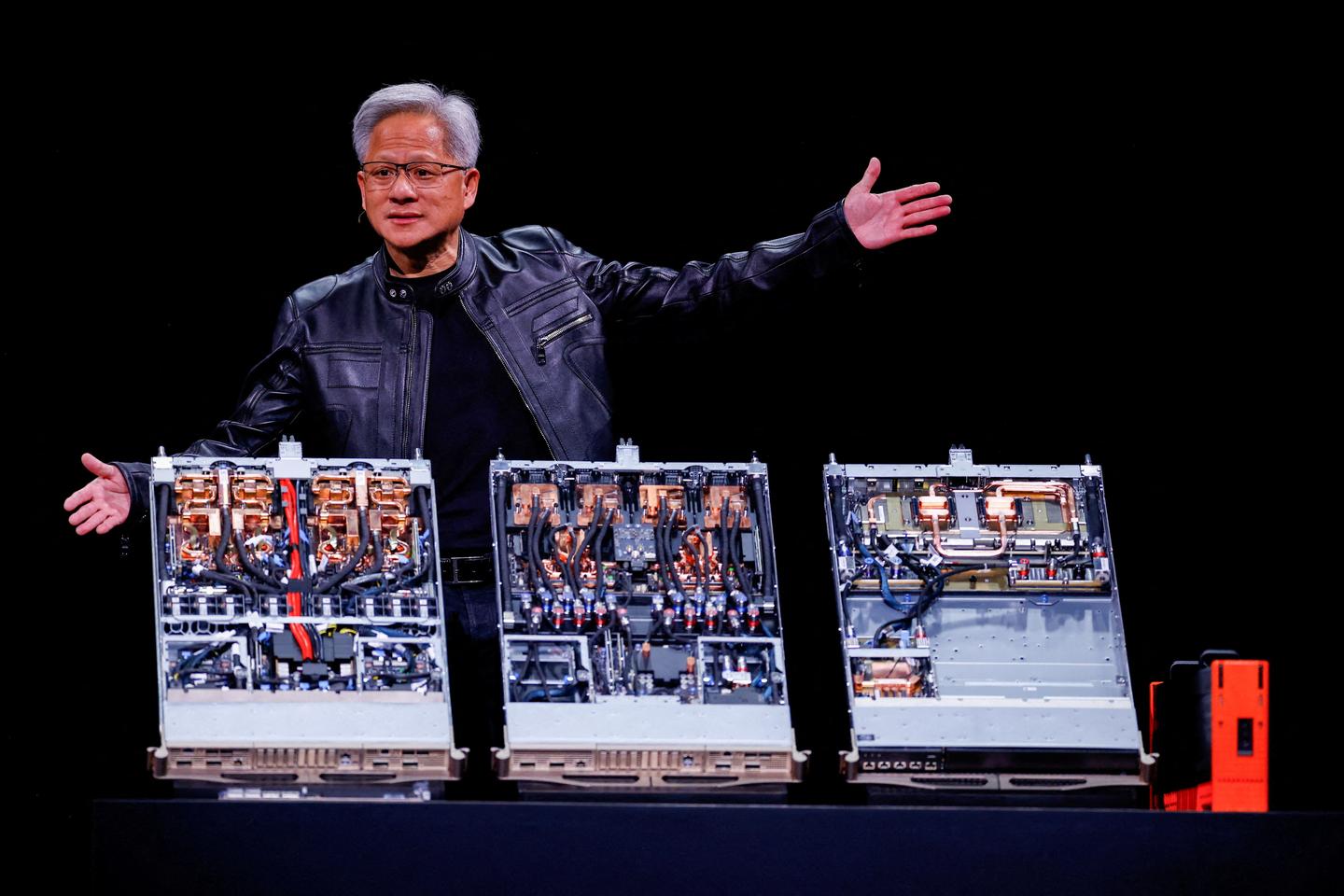
According to Le Monde, international financial media are examining the methods used to ship processors to China despite US restrictions. In May 2025, Nvidia CEO Jensen Huang dismissed claims of chip diversion, arguing that processor racks weigh nearly two metric tons and are easily tracked by companies wanting to maintain future purchases.
Original image temporarily unavailable
As Nvidia CEO Jensen Huang returned to lead the American chip giant, international financial media turned their attention to the methods enabling advanced processors to reach Chinese territory despite strict US export controls. These restrictions gained renewed urgency after Chinese startup DeepSeek unveiled a powerful AI system in January 2025, causing widespread concern in Washington.
When questioned in Taiwan in May 2025, Huang firmly denied any evidence of chip diversion. He pointed out that advanced AI systems are massive, weighing nearly two metric tons, making them impossible to slip into a pocket or backpack. Furthermore, Huang stated that tracking equipment is straightforward because companies and governments have a strong incentive to comply with orders and protect their supply chains if they want to keep buying from Nvidia in the future.
View selection rationale
Importance 67/100
About this brief
- Content type
- News summary
- Source type
- Publisher report
- Original source
- Le Monde AI ↗
- Source published
- Process
- AI-assisted discovery, translation, summarisation, classification and scoring; standards and corrections are maintained by the editorial desk.
- Verification
- The original URL and publication metadata are retained. This brief is not independently fact-checked unless explicitly stated.
- Published by
- Polyemergence Editorial Desk
- Conflict disclosure
- No financial or commercial conflict declared.