
Why Simulation Agents Are Like Junior Engineers
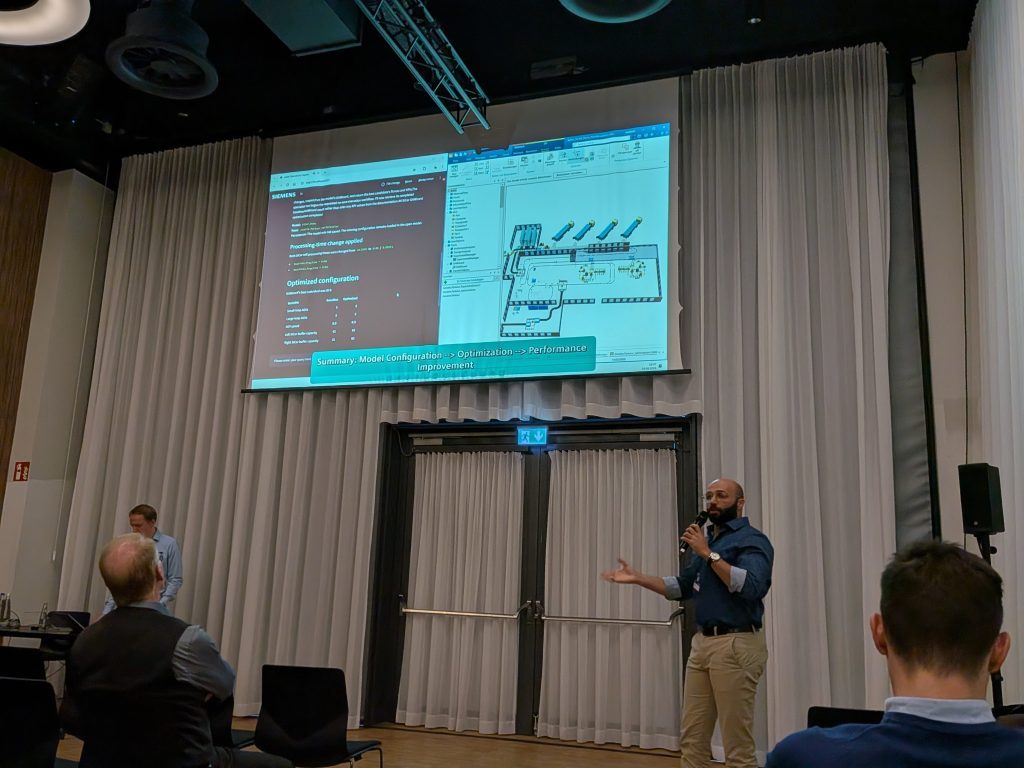
According to Siemens Blog: AI simulation agents are moving past the novelty phase into practical engineering work. Instead of replacing human engineers, they act like junior staff who need clear acceptance criteria to ensure their results are valid.
Original image temporarily unavailable
According to Siemens Blog:
As AI simulation copilots become common, the central engineering challenge is no longer how to run a simulation, but how to validate the results. According to the author, simulation agents should be treated like junior engineers: they handle the tedious tool syntax and execution, while human engineers provide the domain knowledge, physics, and rigorous acceptance criteria.
To ensure reliability, the author proposes a four-layer validation stack for agents: numerical convergence, first-principles physics, plausibility checks, and real-world data comparison. While agents can automate the first three gates, comparing results against messy real-world data remains the ultimate challenge for both humans and AI.
View selection rationale
Importance 76/100
About this brief
- Content type
- News summary
- Source type
- First-party / official source
- Original source
- Siemens Blog ↗
- Source published
- Process
- AI-assisted discovery, translation, summarisation, classification and scoring; standards and corrections are maintained by the editorial desk.
- Verification
- The original URL and publication metadata are retained. This brief is not independently fact-checked unless explicitly stated.
- Published by
- Polyemergence Editorial Desk · PolyEmergence Pte Ltd.
- Conflict disclosure
- No financial or commercial conflict declared.