IBM Celebrates One Year of the Genesis Mission to Advance Quantum Computing
According to IBM Quantum: One year after the launch of the U.S. Genesis Mission, IBM and its partners are pushing forward with quantum-centric supercomputing by combining quantum hardware, AI, and classical systems. Recent efforts focus on error correction, fault-tolerant computing, and scientific applications in materials and energy research.


Original image temporarily unavailable
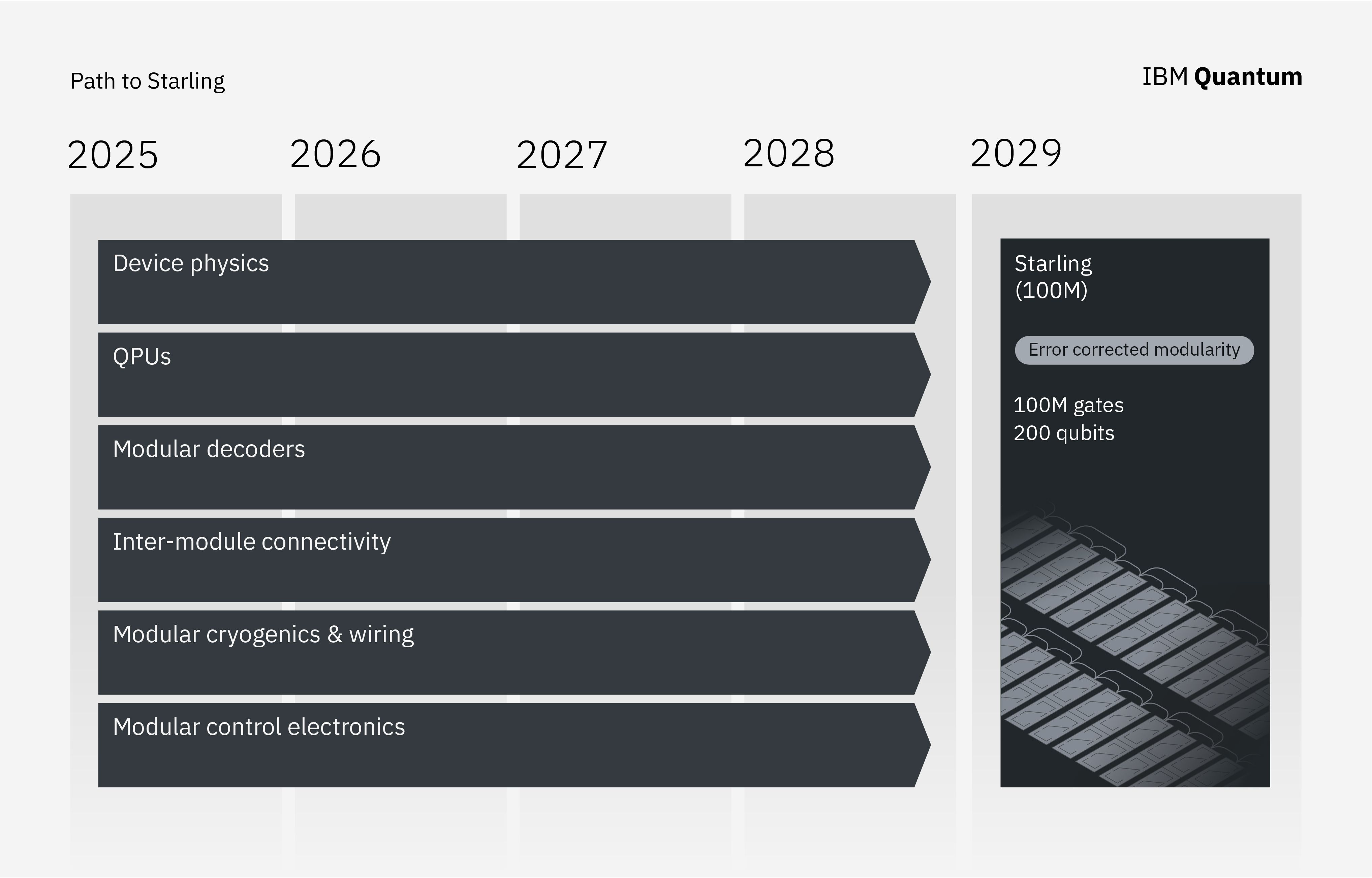
According to IBM Quantum: Marking the first anniversary of the Department of Energy's Genesis Mission, IBM outlines its ongoing contributions to integrating quantum computing, artificial intelligence, and high-performance computing. Over the past month, IBM has collaborated with institutions like Oak Ridge National Laboratory, AMD, NVIDIA, and the University of Chicago on several initiatives. These include co-design platforms for quantum error correction, integrating quantum resource management with NVIDIA's Slurm workload manager, and deploying new quantum processors for research in drug discovery, materials, and high-energy physics. IBM continues to work toward its goal of deploying the fault-tolerant quantum computer, Quantum Starling, by 2029, combining hybrid quantum-classical algorithms and AI to tackle complex challenges in fields such as nuclear fusion research.
View selection rationale
Importance 79/100
About this brief
- Content type
- Research summary
- Source type
- First-party / official source
- Original source
- IBM Quantum ↗
- Source published
- Process
- AI-assisted discovery, translation, summarisation, classification and scoring; standards and corrections are maintained by the editorial desk.
- Verification
- The original URL and publication metadata are retained. This brief is not independently fact-checked unless explicitly stated.
- Published by
- Polyemergence Editorial Desk · PolyEmergence Pte Ltd.
- Conflict disclosure
- No financial or commercial conflict declared.