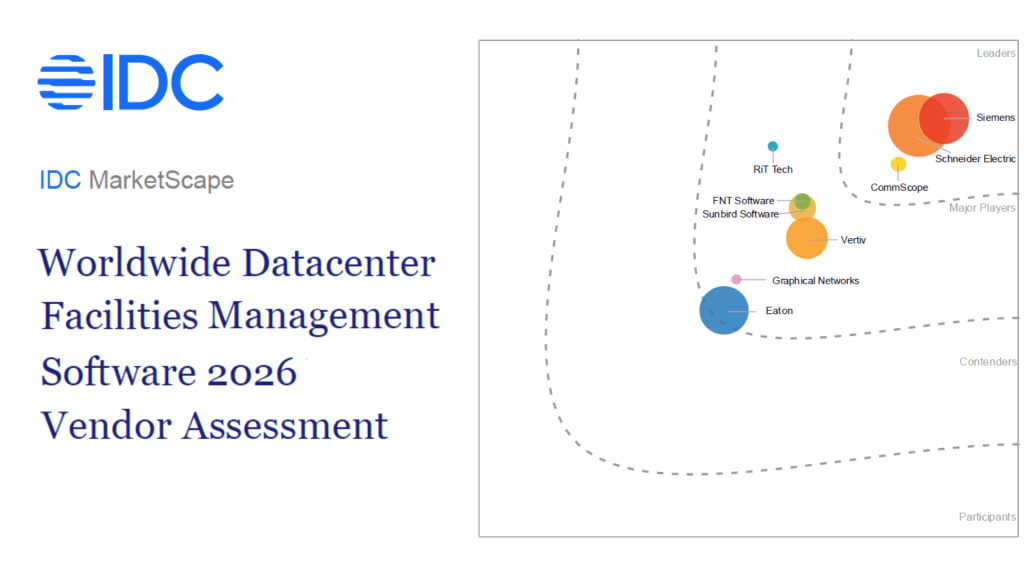
AI is evolving fast. Here is how Siemens plans to help data centers keep up
According to Siemens Blog: AI technologies are developing rapidly, but building traditional data centers still takes years. Siemens executives at NVIDIA GTC Berlin 2026 report that closing this gap requires digital twin simulation, modular construction, and closer collaboration between IT and power systems.
Original image temporarily unavailable
According to Siemens Blog:
At NVIDIA GTC Berlin 2026, Siemens global solutions director Diego Witte and US data center head John DeBoer outlined the major hurdles facing AI infrastructure. While AI chips and compute demands scale rapidly, data centers face bottlenecks in scale, speed, skilled labor, and power availability.
To overcome these issues, Siemens advocates a shift toward digital twin simulation to test liquid cooling and rack configurations before physical construction. They also stress the need for standardized reference designs to align compute, power, and cooling ecosystems, and modular construction to combat labor shortages.
Furthermore, the report emphasizes that data centers must evolve into active grid participants. By combining software automation with physical hardware like battery storage and supercapacitors, and integrating IT with operational technology (OT), facilities can better manage extreme energy demands and improve overall efficiency.
View selection rationale
Importance 67/100
About this brief
- Content type
- News summary
- Source type
- First-party / official source
- Original source
- Siemens Blog ↗
- Source published
- Process
- AI-assisted discovery, translation, summarisation, classification and scoring; standards and corrections are maintained by the editorial desk.
- Verification
- The original URL and publication metadata are retained. This brief is not independently fact-checked unless explicitly stated.
- Published by
- Polyemergence Editorial Desk · PolyEmergence Pte Ltd.
- Conflict disclosure
- No financial or commercial conflict declared.