
Google brings the Gemini app to lower-memory Android devices
According to Google AI: Google announces that the Gemini app is now rolling out to lower-memory Android (Go edition) devices. By re-architecting the application, Google aims to bring its personal AI assistant to hundreds of millions of users who previously relied on basic voice commands due to hardware limitations.
Original image temporarily unavailable
According to Google AI:
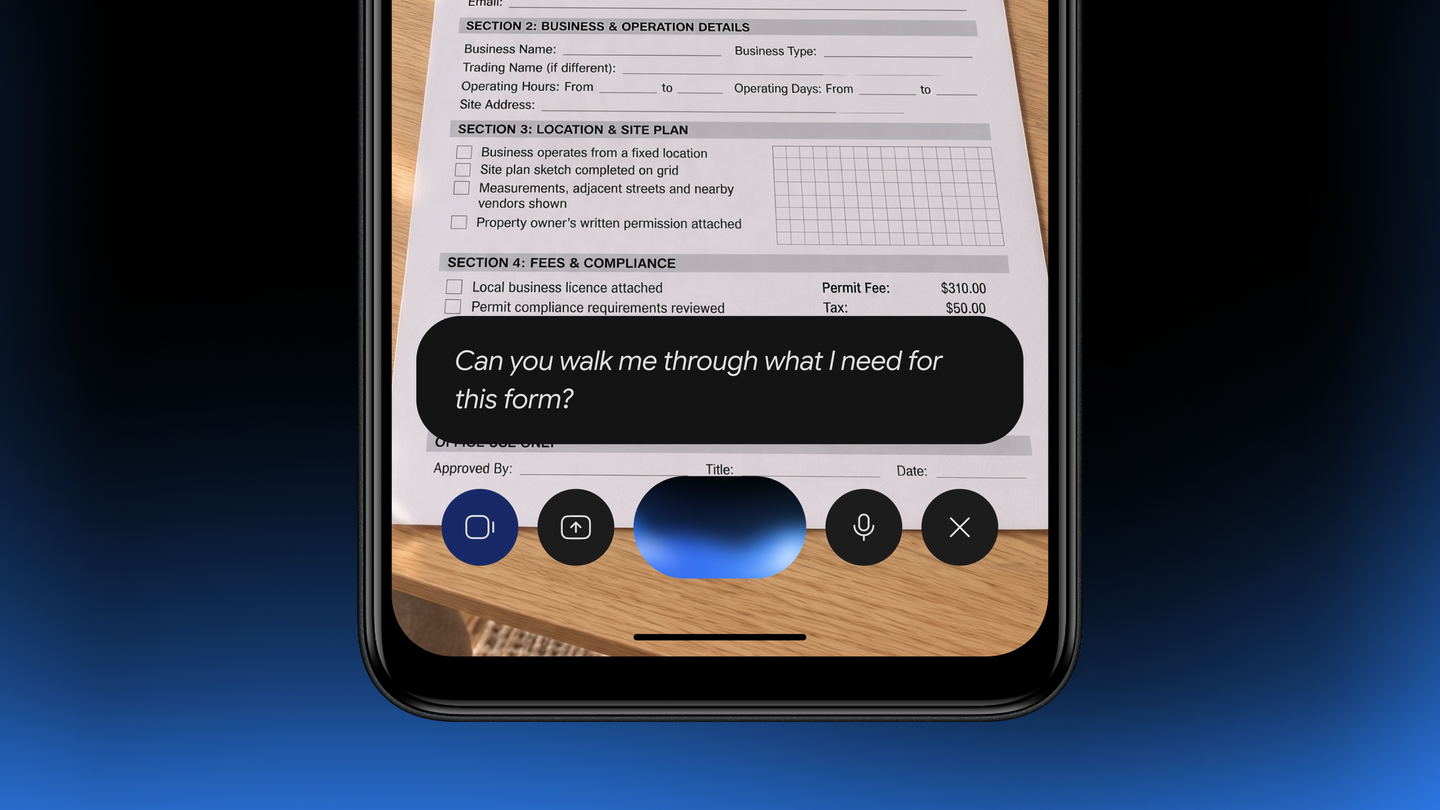
According to Angus Logan, Builder for the Gemini App at Google, the company has re-architected the Gemini app so that its core experience can run smoothly on lower-memory Android devices. This update targets hundreds of millions of global users whose everyday internet and business connections rely on budget hardware.
With this release, eligible devices gain access to features like Gemini Live, allowing users to talk things through or practice for interviews out loud in over 45 languages. Users can also utilize their device cameras to translate documents, or create custom images. Google notes that the app can be downloaded via Google Play, accessed by holding the power button on supported phones, or found preloaded on upcoming devices from partners such as Transsion.
View selection rationale
Importance 67/100
About this brief
- Content type
- News summary
- Source type
- First-party / official source
- Original source
- Google AI ↗
- Source published
- Process
- AI-assisted discovery, translation, summarisation, classification and scoring; standards and corrections are maintained by the editorial desk.
- Verification
- The original URL and publication metadata are retained. This brief is not independently fact-checked unless explicitly stated.
- Published by
- Polyemergence Editorial Desk · PolyEmergence Pte Ltd.
- Conflict disclosure
- No financial or commercial conflict declared.

