
MIT Report Warns AI is Changing How Students Think and Relate
According to MIT Neuroscience: A recent MIT report reveals that students are visiting office hours less often and spending less time working together, prompting faculty to examine how generative AI is reshaping human relationships and learning.
Original image temporarily unavailable
According to MIT Neuroscience:
According to a recent report by MIT on artificial intelligence and education, students are visiting office hours less frequently and working through problem sets together less often. These changes are part of a broader concern among faculty regarding how generative AI affects how people work, think, and relate to one another.
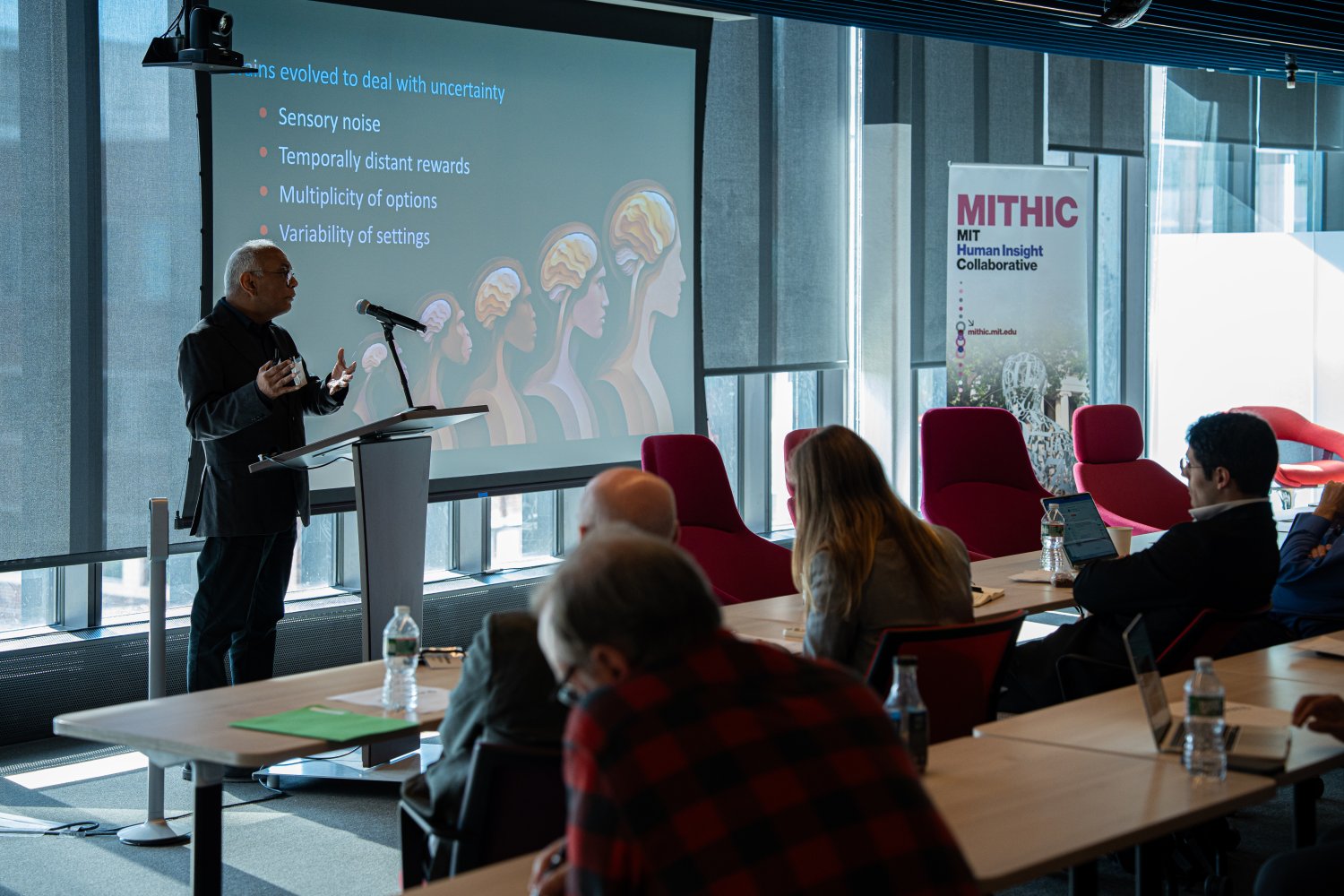
To address these issues, MIT launched the Human Insight Collaborative (MITHIC) in 2024. MITHIC has supported 67 projects across 31 units with $5.5 million in funding. Around a third of these projects focus on AI and society, exploring topics ranging from political information intermediaries to human cognition and music improvisation.
For instance, political science and management researchers are studying how large language models like Claude mediate democratic knowledge during elections, while other teams examine AI's effects on human cognition and live musical collaboration. Leadership across the institute, including President Sally Kornbluth and Provost Anantha Chandrakasan, stresses the urgency of combining science and technology with the humanities and social sciences to ensure AI improves human well-being.
View selection rationale
Importance 75/100
About this brief
- Content type
- News summary
- Source type
- First-party / official source
- Original source
- MIT Neuroscience ↗
- Source published
- Process
- AI-assisted discovery, translation, summarisation, classification and scoring; standards and corrections are maintained by the editorial desk.
- Verification
- The original URL and publication metadata are retained. This brief is not independently fact-checked unless explicitly stated.
- Published by
- Polyemergence Editorial Desk · PolyEmergence Pte Ltd.
- Conflict disclosure
- No financial or commercial conflict declared.