
Ant Lingbot Embodied AI Challenge Concludes: How Developers Teach Robots Real-World Tasks
The first Ant Lingbot Embodied AI Challenge finals recently concluded in Shanghai, gathering fifteen teams to tackle real-world robotic tasks using a unified open-source model. The competition showed that instead of mass data collection, smarter approaches involving foundation models and targeted fine-tuning allowed teams to achieve high success rates with minimal adjustments.
Original image temporarily unavailable
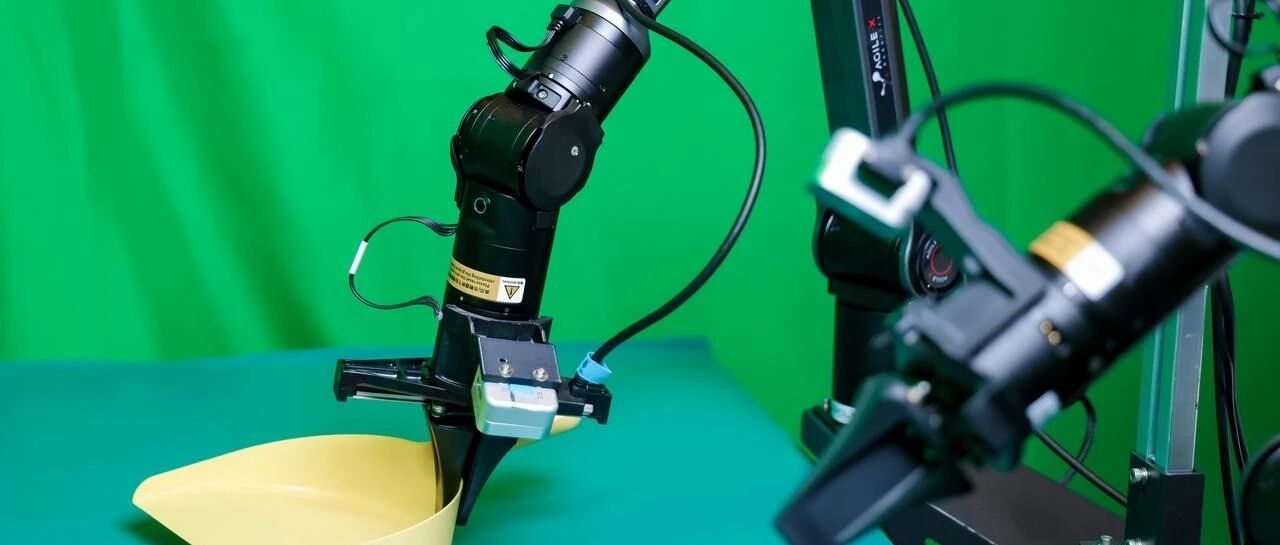
During the 48-hour final, fifteen teams utilized the same hardware and the open-source LingBot-VLA 2.0 model to complete tasks like sorting items and cleaning. Different backgrounds brought diverse solutions: the champion team TARS optimized training speed and handled heavy workloads, while the third-place team SST cleverly used DeepSeek and visual segmentation combined with just 13 additional data points. Meanwhile, other teams from autonomous driving and search-recommendation backgrounds discovered that protecting pre-existing capabilities during fine-tuning is crucial to prevent performance drops in dynamic environments. Ant Lingbot CEO Zhu Xing noted that embodied AI is still in its early stages, and open challenges help developers explore how foundation models can bridge the gap between simulation and the physical world.
View selection rationale
Importance 78/100
About this brief
- Content type
- News summary
- Source type
- Publisher report
- Original source
- GeekPark 极客公园 ↗
- Source published
- Process
- AI-assisted discovery, translation, summarisation, classification and scoring; standards and corrections are maintained by the editorial desk.
- Verification
- The original URL and publication metadata are retained. This brief is not independently fact-checked unless explicitly stated.
- Published by
- Polyemergence Editorial Desk · PolyEmergence Pte Ltd.
- Conflict disclosure
- No financial or commercial conflict declared.