
ESA Explains Delay in Signing MaiaSpace Launcher Challenge Contract
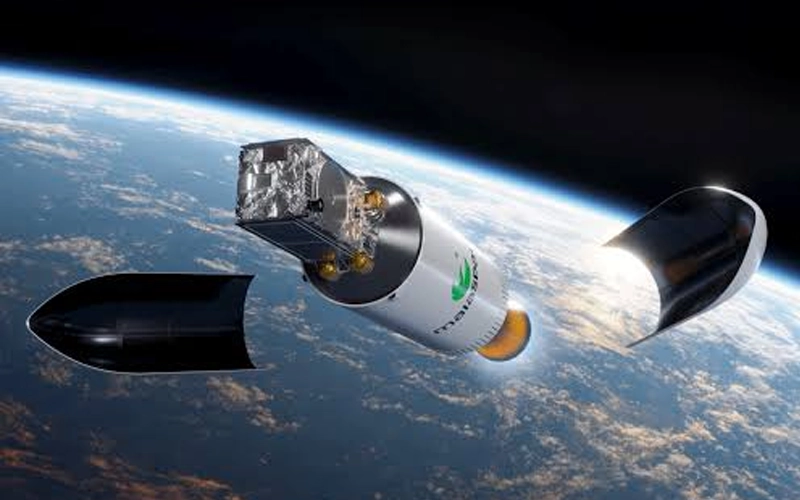
The European Space Agency has explained that negotiations with MaiaSpace are delayed because the company chose launch service contracts instead of technical development funding, unlike its competitors. While other firms secured most of their money for development, MaiaSpace opted entirely for launch support, making the paperwork more complicated.
Original image temporarily unavailable
Background
During the 2025 Ministerial Council meeting, member states committed €902.16 million to the European Launcher Challenge, a program designed to support commercial rocket developers.
Details
While three other companies—PLD Space, Isar Aerospace, and Rocket Factory Augsburg—chose to take the majority of their funding for technical development under Component B, MaiaSpace secured €183.4 million entirely under Component A, which subsidises launch service contracts. ESA stated that this unique preference has made the contract negotiations more complicated than the others.
Impact
Although ESA officials previously indicated that the agreement was close to being finalized, the contract with MaiaSpace has not yet been officially signed, creating a noticeable delay compared to its peers.
View selection rationale
Importance 48/100
About this brief
- Content type
- News summary
- Source type
- Publisher report
- Original source
- European Spaceflight ↗
- Source published
- Process
- AI-assisted discovery, translation, summarisation, classification and scoring; standards and corrections are maintained by the editorial desk.
- Verification
- The original URL and publication metadata are retained. This brief is not independently fact-checked unless explicitly stated.
- Published by
- Polyemergence Editorial Desk · PolyEmergence Pte Ltd.
- Conflict disclosure
- No financial or commercial conflict declared.