
MIT researchers develop a new training method for faster and more trustworthy climate AI models
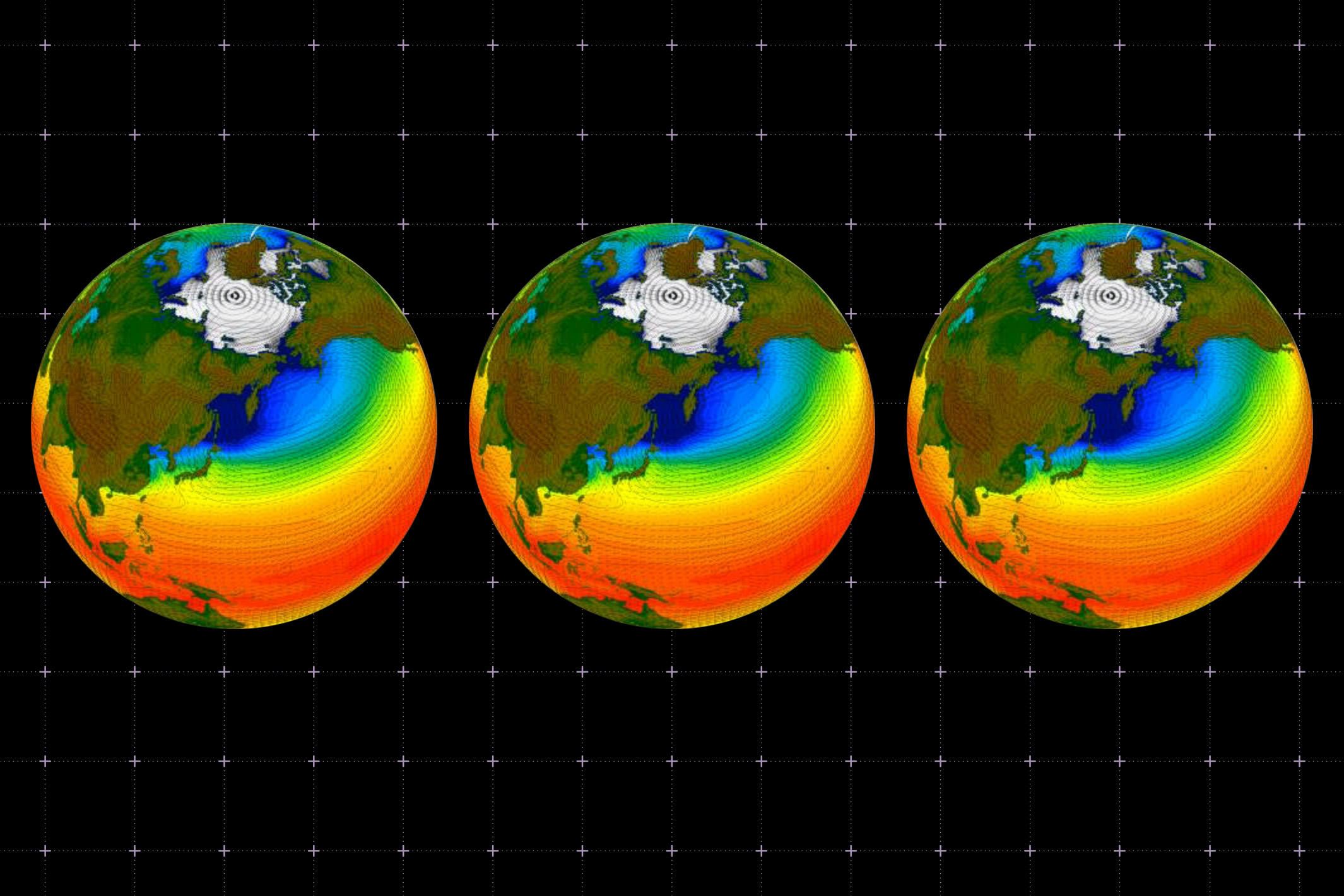
According to MIT Climate: MIT researchers have created a new training technique that dramatically speeds up the production of climate emulators, which are AI models used to simulate future climate scenarios.

Original image temporarily unavailable
According to MIT Climate:
Traditional earth system models used for climate projection are extremely powerful, but they take months to run on supercomputers for just a single scenario. To solve this, scientists use climate emulators, which are fast AI models that mimic full-scale systems. However, training these emulators usually requires running complex models on six to eight realistic future emission scenarios, making the data creation process slow and costly.
According to MIT researchers, emulators trained exclusively on realistic scenarios often fail to adapt when faced with unfamiliar or novel situations. To address this, the team developed an algorithm that generates a synthetic dataset of optimized, non-traditional climate scenarios tailored to boost predictive performance. By introducing rapid variations and high-frequency oscillations into the training data, the algorithm allows the emulator to extract much more information about the overall system while requiring far fewer full-scale model runs.
The resulting emulators proved capable of accurately predicting outcomes in scenarios they had never seen during training, such as local pollutant control policies where some emissions rise while others fall. Published in the Proceedings of the National Academy of Sciences, this technique aims to reduce the months or years typically spent on emulator production, helping researchers and decision-makers get updated climate tools much faster.
View selection rationale
Importance 77/100
About this brief
- Content type
- Research summary
- Source type
- First-party / official source
- Original source
- MIT Climate ↗
- Source published
- Process
- AI-assisted discovery, translation, summarisation, classification and scoring; standards and corrections are maintained by the editorial desk.
- Verification
- The original URL and publication metadata are retained. This brief is not independently fact-checked unless explicitly stated.
- Published by
- Polyemergence Editorial Desk · PolyEmergence Pte Ltd.
- Conflict disclosure
- No financial or commercial conflict declared.