
How AI and Robotics Help Recyclers Turn Mixed Waste Into Reusable Materials
According to NVIDIA Generative AI: Global waste is piling up, but only a tiny fraction gets recycled due to manual labor shortages and messy materials. Startups are now using computer vision and AI to sort plastics, textiles, and household trash with incredible speed and accuracy. This breakthrough helps factories cut operating costs while keeping valuable resources in circulation.
Original image temporarily unavailable
According to NVIDIA Generative AI:
The Recycling Challenge
Globally, less than 7% of materials come from recycled sources, and municipal solid waste could nearly double by 2050. Traditional recycling relies heavily on hard-to-find manual labor, making it difficult to sort mixed scrap accurately and cost-effectively.
AI-Powered Solutions
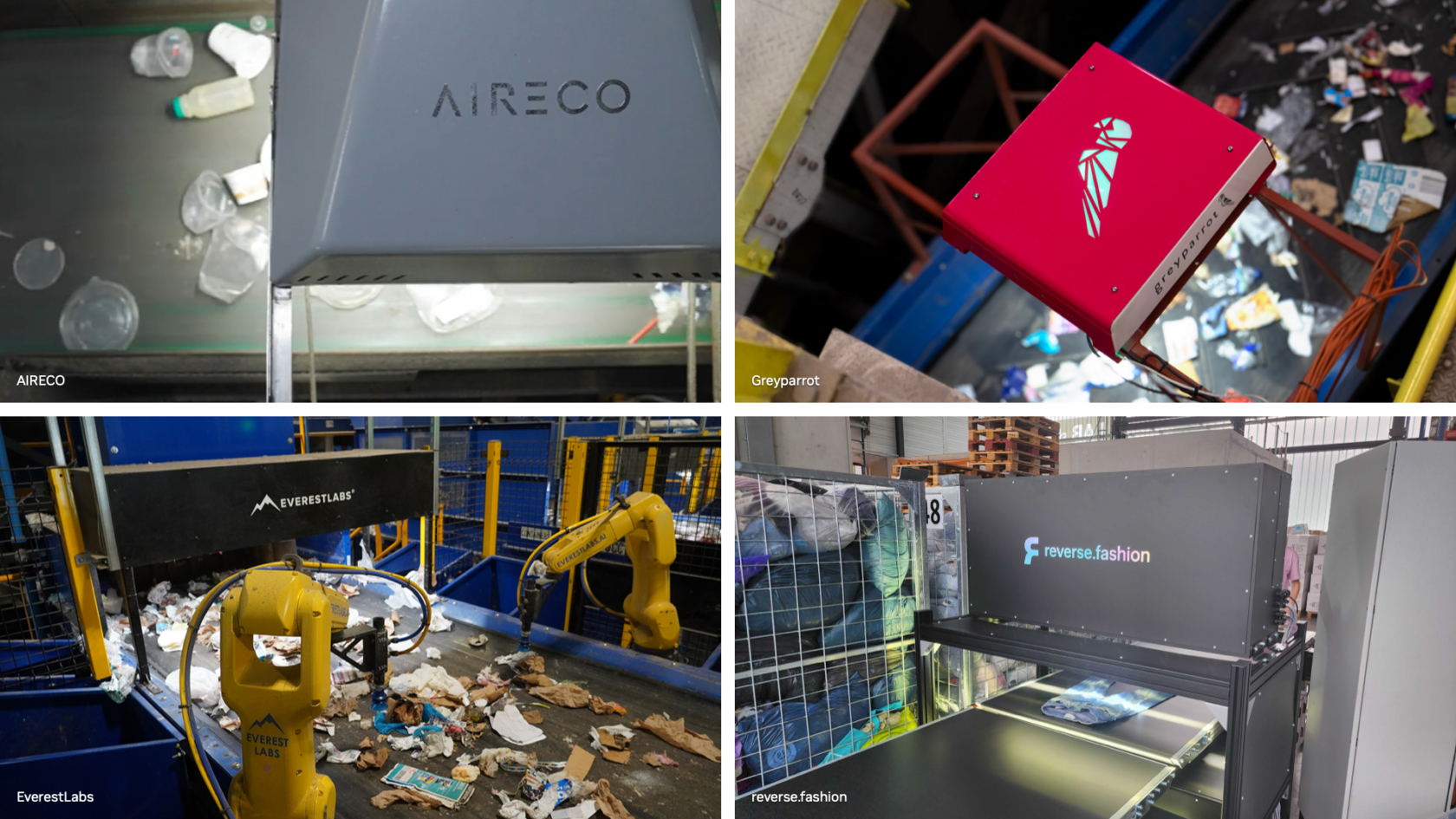
Innovative startups are deploying edge AI and robotics to revolutionize recycling plants. Taiwan-based AIRECO uses vision AI to sort plastics for closed-loop recycling, aiming to triple processing capacity. EverestLabs AI operates robots on fast-moving conveyor belts across North America and Australia, identifying billions of objects. U.K.-based Greyparrot monitors waste streams in real time, replacing outdated manual sampling with instant analytics. Meanwhile, Germany's reverse.fashion automates the tedious task of sorting used textiles by analyzing fabric quality and defects at high speeds.
Industry Impact
By leveraging advanced computing, these companies are drastically improving sorting efficiency and boosting the yield of reusable materials. Major brands and recycling facilities are using these tools to reduce carbon emissions and build a more sustainable circular economy.
View selection rationale
Importance 68/100
About this brief
- Content type
- News summary
- Source type
- First-party / official source
- Original source
- NVIDIA Generative AI ↗
- Source published
- Process
- AI-assisted discovery, translation, summarisation, classification and scoring; standards and corrections are maintained by the editorial desk.
- Verification
- The original URL and publication metadata are retained. This brief is not independently fact-checked unless explicitly stated.
- Published by
- Polyemergence Editorial Desk · PolyEmergence Pte Ltd.
- Conflict disclosure
- No financial or commercial conflict declared.